
- Get link
- X
- Other Apps
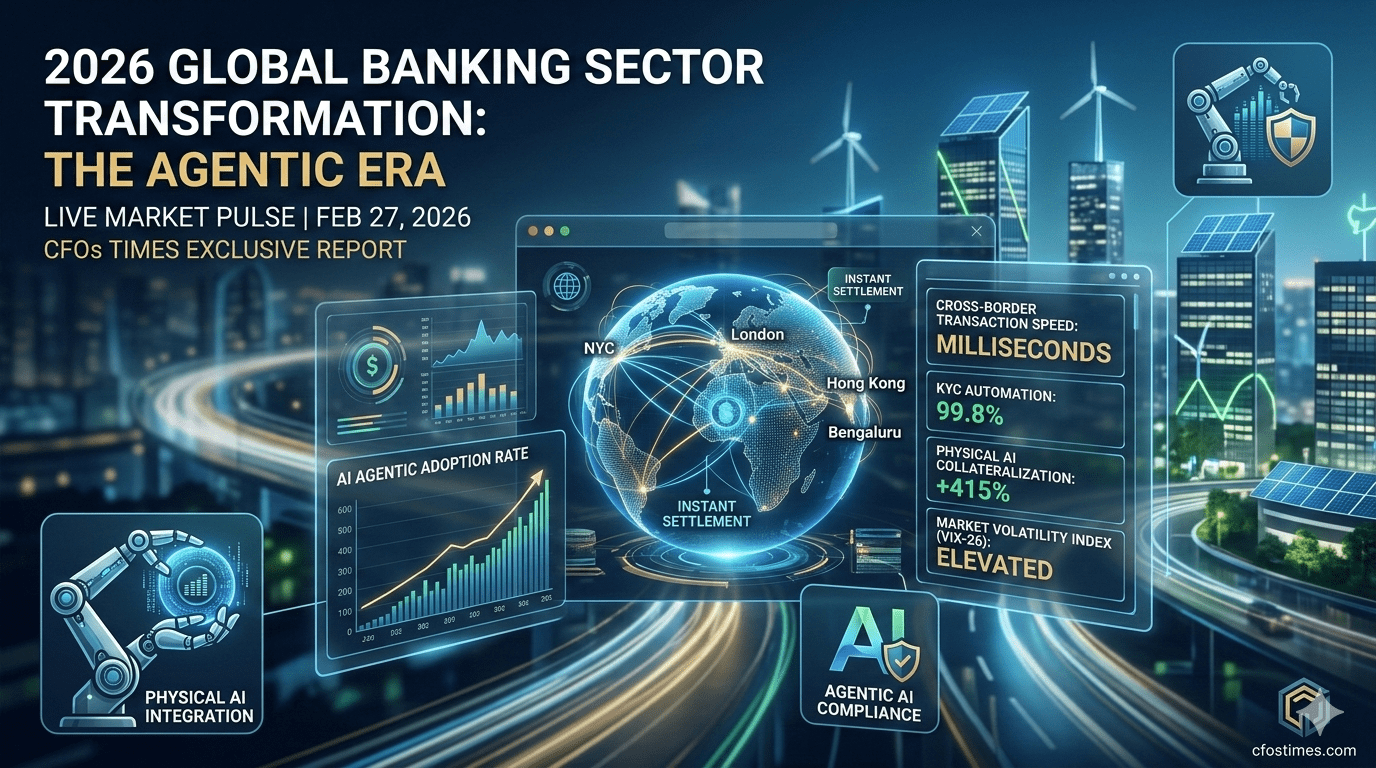
Global banking is changing fast this year because of new computer smarts. Banks are trying to figure out how to use these tools without breaking the law or losing money.
The short answer is that banks are spending big money on artificial intelligence to speed up work. McKinsey and Company put out a report showing big shifts in how money moves through the world right now.
What is happening in global banking today
Money is the lifeblood of towns and cities everywhere. When banks change how they work, every person feels it in their daily life. You might notice your phone app acting smarter, or it takes less time to get a loan.
Big banks are buying new software to do jobs that people used to do by hand. This saves time, but it also means fewer entry level jobs exist. Global News Update on Shipping Tech and War Risks shows how fast business tech changes. Companies want to stay ahead of the crowd.
Are your own bank accounts safe with these changes? Most experts say yes, but rules need to keep up. Nobody wants a computer program to make a bad loan by mistake.
Why artificial intelligence matters to your money
Smart computer programs look at millions of data points every second. They spot fraud before a thief can steal your cash. This keeps your savings safer than it was ten years ago.
At the same time, banks save money on paperwork. They pass some of those savings to customers in the form of lower fees. But they also keep a lot of it as profit for their owners.
Think about how often you visit a physical bank branch these days. Most people just use an app on their phone. Read more about current financial trends to see how your branch might shrink next year.
Workers inside these big money firms face tough choices. They have to learn new skills or risk losing their jobs to a machine. This cycle repeats across many industries right now.
How banks test new software
Before a bank lets a computer make choices with your cash, tests run for months. Workers check if the computer makes fair choices for all people. Sometimes the math is biased against certain groups.
Governments are watching these tests very closely. They want to make sure the public does not lose trust in the monetary system. If people stop trusting banks, the whole economy stops working.
Some smaller banks cannot afford these expensive computer tools. They might get bought out by bigger firms. This leaves fewer choices for everyday consumers who want a simple checking account.
What the future looks like for your wallet
Technology will keep moving forward at a fast pace. You can expect your banking apps to get even faster next year. They might start predicting what you want to buy before you look for it.
You should keep an eye on your monthly statements. Mistakes happen when computers take over complex tasks. A quick glance at your app helps you catch errors early.
Do you trust a machine with your life savings? Most people say no, but they use the apps anyway for convenience. Balance is the key to living in this modern world.
The global market adjusts to these high tech tools every single day. Workers and bosses must work together to build a fair system for everyone. Keep learning about your money so you never fall behind the times.
How mobile apps changed the way we spend cash
Your smartphone is now a tiny bank that fits right inside your pocket. You do not need to wait in a long line to deposit a paper check anymore. You just take a picture of it with your camera and the money appears in your account.
Artificial intelligence makes this magic trick possible in the blink of an eye. The computer reads the numbers on the check and checks your signature instantly. It used to take three days for that paper slip to clear. Now it takes about three seconds.
People love this speed because time is very valuable in our busy world. You can pay your electric bill while sitting on a bus or send money to a friend across the country while eating dinner.
Yet this constant access to cash changes how we think about spending. When money is just numbers on a bright glass screen, it does not feel real. People tend to buy more things online because they never actually touch physical paper bills.
Banks know this habit very well and use smart tools to feed it. They track what you buy and send you special deals right to your phone notification screen. You might get a pop up offer for a new pair of shoes right after you look at a clothing store app.
The hidden costs of digital convenience
Free banking apps usually come with hidden costs that you do not see right away. While you might not pay a monthly fee to keep your app open, you pay in other ways.
Data privacy is the biggest price we pay for all this smart technology. Every time you tap your screen, the bank collects a little piece of information about you. They know where you buy your coffee, what time you wake up, and how much money you earn.
Some of these financial firms share that data with other companies to make extra money. Suddenly you start seeing ads for things you only talked about with a friend near your phone.
Another hidden cost is the loss of human help when something goes wrong. If a computer freezes your account by mistake, you might spend hours talking to a robot helper on a chat screen.
Trying to reach a real human being who can fix the problem gets harder every single year. Banks cut their customer service staff to save money, leaving machines to handle angry and confused people.
Small towns lose their local bank branches
Drive down the main street of almost any small town today and you will notice something missing. The old brick building with the heavy glass door and the friendly teller is often boarded up or turned into a coffee shop.
Global banking giants focus their money on computer code instead of physical brick and mortar buildings. Keeping a building warm, lit, and staffed costs a lot of cash every month.
Closing these local branches saves the bank millions of dollars, but it hurts rural communities badly. Older people who do not know how to use smartphones struggle to manage their pensions and savings.
Some senior citizens have to drive an hour just to talk to a person about a loan or a lost debit card. This creates a big gap between tech savvy city dwellers and people who live out in the country.
Local businesses also suffer when their neighborhood branch shuts down. Business owners used to walk their daily cash deposits across the street safely. Now they have to travel much farther, which puts them at higher risk for theft on the road.
What the rise of digital money means for security
Security is a massive game of cat and mouse between banks and online crooks. As soon as banks build a stronger digital wall, thieves find a clever new way to climb over it.
Artificial intelligence acts as the main guard dog for your digital wallet. It looks for weird spending patterns that do not match your normal daily life.
- If you buy a cup of coffee in your hometown at eight in the morning, the system nods along.
- If someone tries to buy a luxury sports car with your card in another country ten minutes later, the system blocks the payment instantly.
- If a strange computer tries to log into your account using the wrong password three times, the system locks the door right away.
Even with these strong guards in place, smart criminals still trick everyday people. They send fake text messages that look like they came straight from your bank.
These texts often claim your account is in danger and ask you to click a link to fix it. Once you click that link, the thieves steal your login details and drain your savings in seconds.
Banks try hard to warn customers about these traps, but the tricks keep getting harder to spot. You must stay very careful and never share your secret passwords with anyone online.
How global events shake up your local savings
What happens on the other side of the planet can change the value of your personal bank account. The global banking system is a massive web where every single thread connects to the others.
When supply chains break down or political fights start in distant countries, big banks get nervous. They change their lending rules and make it harder for regular folks to borrow money for a house or a car.
Interest rates go up and down based on decisions made by powerful leaders sitting in tall glass towers. When interest rates rise, the money you keep in your savings account earns a little more profit.
At the same time, buying a new home becomes much more expensive because the monthly loan payments go through the roof. This creates a roller coaster ride for families trying to plan their financial future.
Artificial intelligence helps banks guess how these global events will play out in the future. The computer chews through mountains of news reports and trade data to predict economic storms before they hit.
Ways to protect your money in a high tech world
You do not need a degree in finance to keep your hard earned cash safe from computer glitches and digital thieves. A few smart habits will go a long way in protecting your wallet.
- Check your banking app at least once every single week to look for strange charges.
- Use long, complicated passwords for your accounts and change them every few months.
- Turn on text message alerts so your phone buzzes every time a payment leaves your account.
- Never click on links inside text messages that claim your bank needs you to update your details.
- Keep a small amount of physical cash hidden safely at home just in case the digital payment networks go down for a day.
Technology will keep changing the way money moves around the globe whether we like it or not. The best defense against confusion is staying informed and paying close attention to your own personal finances.
Do not let the shiny screens and fast computer programs make all the choices for your future. Take control of your money, ask questions when something looks strange, and make sure your voice is heard by the people who run the system.
The changing role of bank workers
The daily routine inside a bank office looks completely different than it did just five years ago. Desks that used to seat rows of paper pushing clerks now sit empty or hold computer servers humming quietly in the corner.
People who still work in these financial hubs must learn how to talk to machines just as well as they talk to humans. Their main job is now checking the work that artificial intelligence creates behind the scenes.
This shift causes a lot of stress for older workers who spent decades doing things the old fashioned way. They have to go back to school or take training classes to learn complex software programs.
Younger workers enter the industry with strong computer skills, but they sometimes lack the deep wisdom that comes from years of human experience. Balancing youth and experience is a major puzzle for bank bosses today.
If a machine makes a terrible mistake on a business loan, a human must step in and fix the mess before it ruins a company. The human touch remains the ultimate safety net when computer logic fails.
What the future holds for cash and coins
Many experts believe physical paper money and metal coins will eventually disappear completely from daily life. Some countries are already testing entirely digital currencies controlled by their central governments.
A digital dollar or euro would make tracking every single transaction much easier for the government. It would also wipe out tax cheating and illegal money laundering overnight because every coin leaves a permanent digital footprint.
However, many citizens worry about losing their personal privacy if the government can see every single thing they buy. People like having the choice to spend cash without anyone else knowing about it.
As we march further into the future, the debate between privacy and total digital control will heat up. Banks will sit right in the middle of this fight, trying to please both government lawmakers and everyday customers.
Your wallet will keep evolving, moving from leather folds in your pocket to colorful icons on your smartphone screen. Keeping your eyes open and your mind sharp is the best way to thrive in this fast changing financial landscape.
Comments