
- Get link
- X
- Other Apps
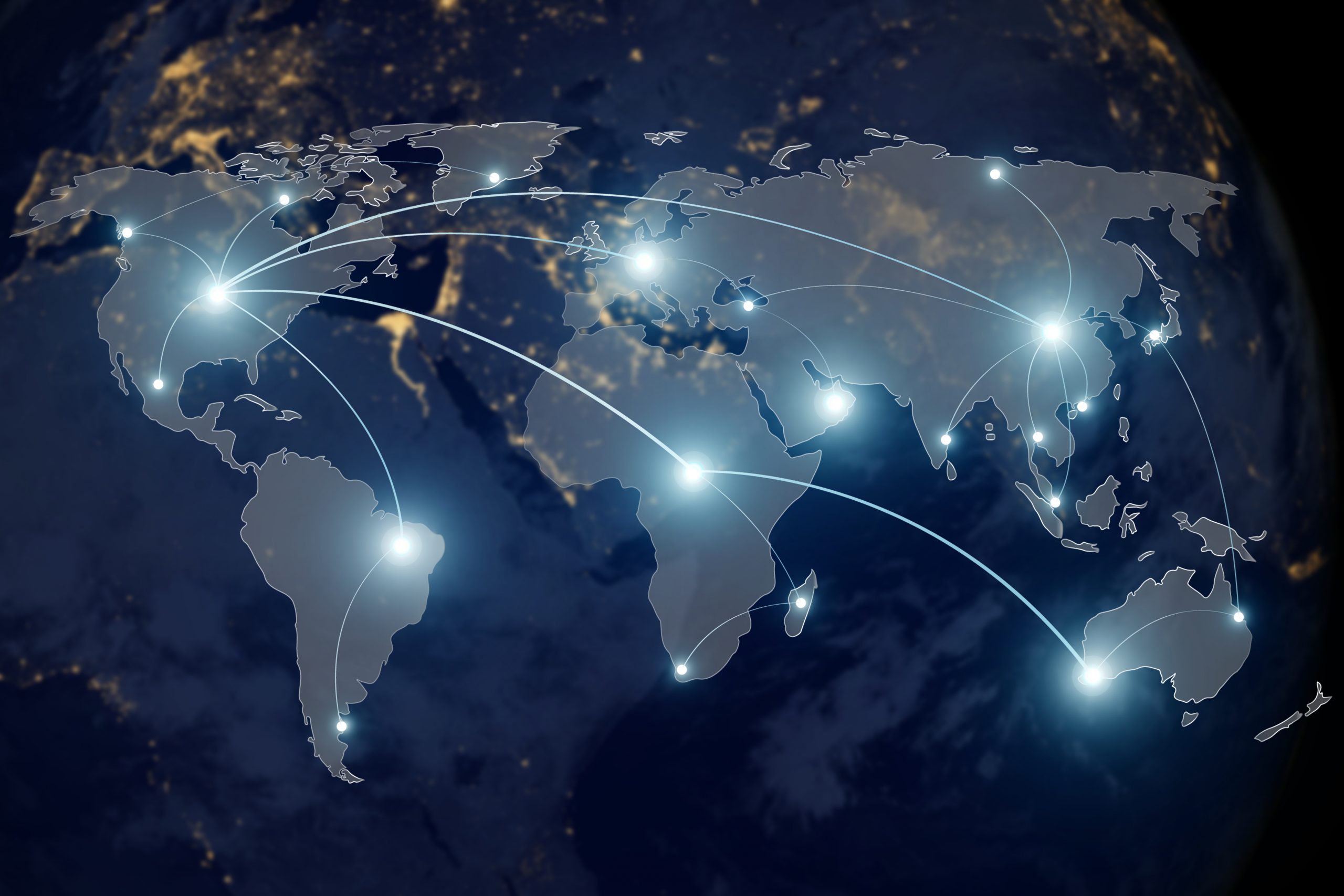
Major events around the world are shifting how media companies work, how energy gets made, and how governments handle global health. Today's top global news spans across media traffic shifts, new economic steps, and key health updates. These changes touch millions of lives every single day.
Recent reports show big changes in global news traffic, nuclear energy plans, and global health tracking. Tracking these events helps us see where the world is going next. Here is the full breakdown of the biggest events from the last 24 hours.
Media and Tech: How News Traffic Is Shifting Online
Top English news websites are seeing big shifts in who reads their pages. Media reports show that traffic to major news sites is dropping for many big brands. However, a few top names are still growing despite the general drop.
The New York Times saw its traffic go up, breaking the trend seen across other top outlets. Most other major sites lost visitors over the last month. Why is this happening? Changes in search apps and social media feeds mean fewer people click links to news sites. People now get their updates directly inside apps.
This shift matters because news sites rely on visitors to sell ads and subscriptions. When search sites change how they show links, news sites lose readers fast. Many publishers are now trying new ways to bring readers straight to their homepages.
Digital technology is also changing how news gets made. Newsrooms use smart software to write short updates and sort big datasets. While this saves time, it also changes how people find real facts online. Readers must look closer to see where their news comes from.
Publishers hope that strong, original reporting will keep readers coming back. As social apps push video over text, text-based news sites must adapt fast. The gap between top news brands and smaller sites is growing wider every month.
Global Economy: Weekly Updates and Financial Trends
Economic updates this week show mixed signals across major markets. Supply chains are mostly stable, but high prices still hurt regular families. Central banks are keeping a close eye on money trends to decide on interest rates.
Trade between major countries faces new questions as leadership plans change. Businesses are waiting to see if taxes on imported goods will go up or down. Unsure rules make it hard for companies to hire new workers or build new factories.
Energy costs remain a top concern for economic planners. When oil and gas prices jump, everything else gets more expensive to make and ship. You can read more about previous shifts in our Global News Round: Key Events in Politics, Economy, and Tech to see how we got here.
Job markets in big countries show a small slowdown. While jobs are still open, companies take longer to hire new staff. Workers are looking for safe jobs as talk of an economic slowdown continues.
Small businesses feel the squeeze the most. Higher borrowing costs mean less money for daily growth. Bank leaders say they will keep watching price data before making any big interest rate changes.
Energy Policy: The Future of Nuclear Power in the USA
Energy trends in the United States show a growing interest in nuclear power. Federal updates highlight nuclear energy as a key way to make clean power without burning coal or gas. Existing power plants are getting upgrades to run for more years.
New tech is changing how nuclear plants get built. Smaller plants, called modular reactors, cost less money to build and take up less land. Several states are looking into these small plants to replace old coal factories.
Nuclear power brings constant electricity that does not stop when the sun sets or the wind stops blowing. Tech companies want this steady power for their big computer centers. AI uses massive amounts of power, driving tech giants to sign deal with nuclear plants.
Safety rules stay very strict for nuclear energy. Government groups monitor every plant to prevent accidents and store used fuel safely. Public support for nuclear energy is higher now than it was ten years ago.
Building new nuclear capacity takes a long time, often over ten years. Permits, rules, and construction delays can slow things down. Yet, many power experts say nuclear power is vital for meeting future energy needs.
Global Health: WHO and CDC Track Major Illnesses
Global health groups like the World Health Organization and the CDC are issuing new updates. The WHO continues its work to stop cervical cancer across the world. Health leaders want better access to vaccines and screening tools for women in lower-income nations.
Cervical cancer is largely preventable with proper medical tools. Early tests find problems before they turn into severe illness. Health workers are pushing to bring these simple tests to remote areas where hospitals are far away.
At the same time, the CDC is tracking cases of monkeypox across global sites. Health groups monitor outbreaks to give accurate advice to doctor offices and the public. Quick tracking helps stop viruses from spreading across national borders.
Travel and trade mean a virus in one place can travel fast. Health agencies share data daily to keep response teams ready. Vaccines are being sent to high-risk places to contain outbreaks early.
Public health education remains a top priority. Giving clear, simple advice helps people protect themselves without fear. Local health centers play the biggest role in delivering care and facts to families.
World Politics: Instability and Government Updates
Political unrest continues in several regions, with Libya facing ongoing instability. Conflict trackers show that rival political groups are still struggling over power and oil revenues. The lack of a single, stable government makes life hard for local citizens.
Peace talks move slowly when multiple groups claim control. International leaders are calling for calm and clear elections to bring stability. Until elections happen, political friction will likely remain high in the region.
Political choices in big nations shape international security laws. Rights and government access limits often trigger long political debates. You can read about how laws affect regional control through this Section summary of Title II of the Patriot Act page.
Security issues in one country quickly cause problems for its neighbors. Refugee movements and interrupted trade hurt regional growth. Global groups are trying to keep aid flowing to areas caught in conflict.
Diplomacy remains the primary tool for solving long political disputes. Leaders from around the world meet regularly to build agreements and prevent bigger wars. Keeping channels open is essential for global safety.
What is the top global news today?
People often ask what news matters most right now. The top story is how global energy needs, health risks, and economic rules connect together. No single event happens in a bubble.
For instance, tech growth requires huge amounts of energy, driving the push for nuclear power. At the same time, health updates affect how trade and travel move between borders. Keeping up with all these topics helps you see the whole picture.
News moves faster today than ever before in history. Checking reliable sources daily keeps you ready for changes that affect your work, money, and health. Our site delivers clear updates to help you stay informed without the noise.
To stay ahead of new developments, check back regularly for fresh reports on latest global updates and worldwide events. Knowing the facts helps you make smart choices every day.
What global story do you think will impact your life the most this year? Will it be energy policy, media changes, or global health steps? Let us know your thoughts and keep reading to stay informed.
Environmental Trends: Preparing for Extreme Weather
Weather patterns are changing across many regions this year. Storms, heat waves, and heavy rain affect communities everywhere. Cities are working on new plans to protect homes and roads from flood damage.
Local leaders are building stronger walls along rivers and coastlines. They are also planting more trees to help keep city streets cool during hot summer months. These projects cost money, but they help save lives when severe weather hits.
Farmers face big choices as rainfall patterns shift. Some crops need more water than rivers can supply. Agriculture experts recommend using new methods to save soil moisture, such as:
- Using drip lines to place water directly near plant roots.
- Covering open soil with organic mulch to stop drying.
- Planting new seed types that grow well with less rain.
Education and Jobs: Training for New Careers
As digital tools change workplace tasks, schools are changing their courses. Students need new skills to work alongside modern computer software. Learning how to analyze data is becoming just as important as writing or basic math.
Adult training programs are growing fast in many cities. Many adults return to night classes to learn practical technical skills. Companies often pay for these courses so their workers can handle new tasks.
Trade schools offer great career paths for young workers. Careers in electric installation, plumbing, and solar panel repair remain in high demand. These jobs cannot be replaced by software, making them safe career options.
Future Science: Discoveries in Space and Space Travel
Space agencies are sharing fresh news about distant planets and stars. Powerful space telescopes send clear pictures back to scientists on Earth daily. These images help astronomers learn how stars form and how planets move.
Private companies are building larger rockets to carry equipment into orbit. Lower launch costs mean more satellites can go up to improve global phone and internet services. Remote areas gain better online access because of these new space networks.
Plans for long missions to the Moon are moving forward. Teams of engineers are building specialized habitats that protect workers from extreme cold and radiation. Learning to live on the Moon prepares space groups for future travel to Mars.
Space science brings direct benefits to daily life on Earth. Many useful tools come from space research, including:
- Advanced water filters built for isolated space stations.
- Lightweight materials now used in everyday winter jackets.
- Improved satellite tracking systems that warn people about incoming storms.
Comments